URBANPETRO INC. ANNOUNCES GLOBAL CIF SUPPLY OPPORTUNITIES FOR EN 590 10 PPM ULTRA-LOW SULFUR DIESEL
International Petroleum Trading | Refined Fuel Supply | Global Shipping | Energy Logistics
Publication: UrbanPetro Global News
Date: October 22, 2026
Company: UrbanPetro Inc.
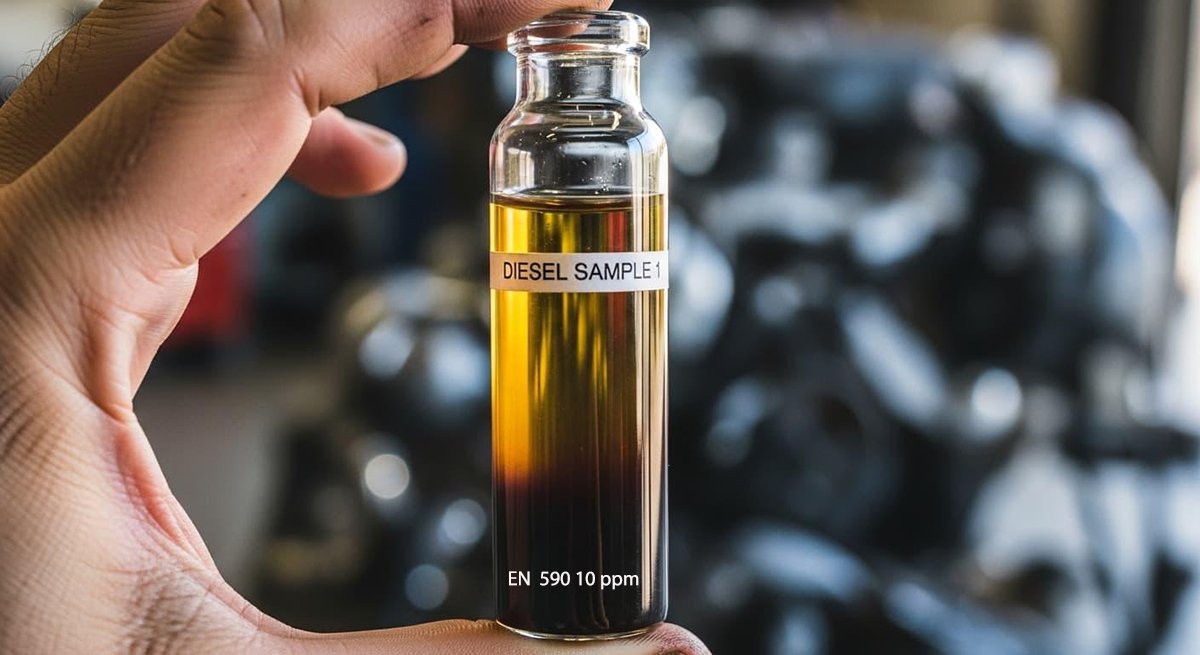
Product: EN 590 10 PPM Ultra-Low Sulfur Diesel
Delivery Terms: CIF
Market Coverage: International markets, subject to destination approval and transaction feasibility
1. Executive Overview: Connecting Global Buyers with EN 590 10 PPM Diesel Supply Opportunities
UrbanPetro Inc., a U.S.-registered petroleum trading and energy supply company, announces its continued focus on international supply opportunities for EN 590 10 PPM ultra-low sulfur diesel, with commercial inquiries invited from qualified buyers seeking deliveries under Cost, Insurance and Freight (CIF) terms.
The company’s commercial approach is designed to connect qualified international buyers with suitable petroleum supply opportunities through structured negotiations, product specification verification, shipping coordination, and contractual delivery arrangements.
UrbanPetro is prepared to evaluate CIF requirements for mutually acceptable safe ports worldwide, subject to confirmed product availability, supplier allocation, destination-country regulations, vessel compatibility, insurance availability, banking compliance, and the successful completion of due diligence.
The announcement is intended for petroleum importers, government-related procurement entities, fuel distributors, industrial consumers, trading companies, energy-sector investors, and other qualified commercial counterparties seeking structured international diesel supply arrangements.
Each inquiry will be evaluated individually to establish whether the requested product, quantity, delivery destination, commercial terms, and delivery schedule can be supported.
UrbanPetro’s objective is to facilitate commercially viable, properly documented, and compliance-oriented petroleum supply transactions that connect qualified buyers with international energy supply channels.
Global Supply at a Glance
- Product: EN 590 automotive diesel.
- Sulfur specification: Maximum 10 mg/kg, equivalent to 10 PPM.
- Delivery structure: CIF, subject to mutually agreed contractual terms.
- Destination: Any mutually acceptable safe port, subject to individual approval.
- Quantity: To be proposed by the buyer and confirmed by the seller.
- Trial and long-term contracts: Subject to availability, allocation, and commercial agreement.
- Quality verification: Independent inspection may be arranged as stipulated in the contract.
- Documentation: Product, shipping, customs, insurance, and commercial documents according to the transaction.
- Pricing: Quoted individually according to product origin, market conditions, quantity, freight, insurance, and destination.
All commercial terms remain subject to written confirmation.
2. Understanding EN 590 10 PPM Ultra-Low Sulfur Diesel
EN 590 is a European automotive diesel fuel standard that establishes requirements for diesel intended for compatible compression-ignition engines.
The designation 10 PPM refers to a maximum sulfur concentration of 10 parts per million by mass, equivalent to 10 milligrams per kilogram.
Ultra-low sulfur diesel is important to modern fuel distribution because sulfur levels affect emissions performance and compatibility with exhaust after-treatment technologies.
Fuel meeting the applicable EN 590 requirements is used in a variety of transportation and commercial applications, subject to the requirements of the destination market and the engine manufacturer’s recommendations.
Principal Applications
EN 590 10 PPM diesel may be suitable for the following applications when the delivered product and its specification meet the relevant operating requirements:
Road Transportation
Commercial trucks, freight vehicles, logistics fleets, buses, and other compatible diesel-powered road vehicles.
Industrial Operations
Diesel-powered machinery, industrial equipment, and selected commercial operations requiring compliant diesel fuel.
Power Generation
Diesel generator systems used for industrial, commercial, institutional, and backup-power applications.
Fuel Distribution
Licensed petroleum distributors, wholesalers, fuel importers, and authorized retail fuel networks.
Government and Infrastructure
Public transportation, infrastructure operations, emergency power systems, and other eligible institutional applications.
The suitability of the product must be verified against local fuel regulations, environmental requirements, and equipment specifications before use.
3. EN 590 10 PPM: Technical Product Specification
Product quality is a central consideration in international petroleum transactions.
UrbanPetro encourages prospective buyers to define their requirements by reference to the applicable EN 590 edition, destination-country requirements, and the actual quality certificate for the cargo being offered.
The following table provides a technical reference for a typical EN 590 10 PPM diesel specification.
EN 590 10 PPM — Reference Quality Parameters
| No. | Property | Reference Requirement | Unit | Typical Test Method |
| 1 | Product Identification | Automotive diesel fuel | — | EN 590 |
| 2 | Sulfur Content | Maximum 10 | mg/kg (PPM) | EN ISO 20846 / EN ISO 20884 |
| 3 | Cetane Number | Minimum 51 | — | EN ISO 5165 |
| 4 | Cetane Index | Minimum 46 | — | EN ISO 4264 |
| 5 | Density at 15°C | Typically 820–845 | kg/m³ | EN ISO 3675 / EN ISO 12185 |
| 6 | Kinematic Viscosity at 40°C | 2.00–4.50 | mm²/s | EN ISO 3104 |
| 7 | Flash Point | Minimum 55 | °C | EN ISO 2719 |
| 8 | Water Content | Maximum 200 | mg/kg | EN ISO 12937 |
| 9 | Lubricity, HFRR at 60°C | Maximum 460 | μm | EN ISO 12156-1 |
| 10 | 95% Distillation Recovery Temperature | Maximum 360 | °C | EN ISO 3405 |
| 11 | Carbon Residue on 10% Distillation Residue | Maximum 0.30 | % mass | EN ISO 10370 |
| 12 | Ash Content | Maximum 0.01 | % mass | EN ISO 6245 |
| 13 | Copper Strip Corrosion, 3 Hours at 50°C | Class 1 maximum | Rating | EN ISO 2160 |
| 14 | FAME Content | Maximum 7.0 | % volume | EN 14078 |
| 15 | Cold Filter Plugging Point (CFPP) | Climate- and season-dependent | °C | EN 116 / EN 16329 |
| 16 | Total Contamination | Maximum 24 | mg/kg | EN 12662-1 |
| 17 | Oxidation Stability | Maximum 25 | g/m³ | EN ISO 12205 |
Important technical note: This is a reference table, not a certificate of analysis for a specific cargo. The applicable EN 590 edition, climate class, seasonal requirements, permitted limits, test methods, and contractual specifications must be confirmed before a transaction is concluded. Density limits and other requirements can vary with the applicable edition and grade. The actual cargo must be supported by appropriate quality documentation.
Why These Parameters Matter
Sulfur Content
The maximum 10 PPM sulfur requirement is a defining characteristic of the product. Compliance should be demonstrated through appropriate laboratory testing.
Cetane Number
Cetane number indicates the ignition quality of diesel fuel. The reference minimum of 51 is an important characteristic of EN 590 automotive diesel.
Density and Viscosity
These parameters help characterize the fuel’s physical properties and its suitability for handling and intended applications.
Flash Point
Flash point is relevant to fuel handling, storage, and transportation safety. Applicable minimum requirements must be met.
Water and Total Contamination
Water and excessive contamination can affect storage quality, fuel-system operation, and equipment reliability.
Lubricity
Lubricity is important for protecting fuel-system components. The HFRR wear-scar limit is one of the relevant quality controls.
Cold-Weather Performance
CFPP requirements depend on the applicable climate class and season. Buyers should specify the intended destination and expected operating conditions.
Product Quality Verification
Where agreed in the sales contract, independent inspection may be performed by a recognized inspection organization, such as SGS, Intertek, Bureau Veritas, or another mutually accepted provider.
The scope of inspection, sampling procedures, testing methods, inspection location, and acceptance criteria must be defined contractually.
A general product specification should never be treated as proof that a particular shipment meets every listed parameter.
4. UrbanPetro’s International CIF Supply Approach
UrbanPetro evaluates international petroleum supply inquiries based on the buyer’s destination, quantity, product specification, delivery schedule, and commercial requirements.
Under CIF terms, the seller arranges and pays for the carriage and insurance required by the applicable Incoterms® 2020 rules to the named destination port.
CIF is intended for sea and inland-waterway transport. The seller’s delivery and risk-transfer obligations are not identical: under CIF, risk generally transfers when the goods are placed on board the vessel at the port of shipment, even though the seller pays the agreed freight and insurance to the destination port.
The precise delivery obligations, insurance coverage, documentation, and title-transfer arrangements must be stated in the executed sales contract.
Global Destination Evaluation
UrbanPetro welcomes inquiries involving potential delivery to mutually acceptable safe ports in:
- Latin America: Subject to destination-country import regulations and port acceptance.
- North America: Subject to applicable customs, fuel-quality, export-control, and import requirements.
- Europe: Subject to applicable fuel specifications, sanctions screening, customs requirements, and market regulations.
- Middle East: Subject to destination approvals, terminal requirements, and transaction compliance.
- Africa: Subject to local petroleum import requirements, port conditions, and logistics feasibility.
- Asia-Pacific: Subject to local fuel standards, customs procedures, vessel acceptance, and commercial feasibility.
These regions represent areas for commercial inquiry, not a guarantee of product availability or permission to deliver to every country or port.
What Determines Whether a Port Is Acceptable?
Each CIF inquiry may require evaluation of:
- Destination-country import authorization.
- Port and terminal acceptance.
- Vessel draft, dimensions, and discharge capabilities.
- Product compatibility with the buyer’s intended use.
- Available shipping routes and freight economics.
- Marine cargo insurance availability and applicable coverage.
- Sanctions and restricted-party screening.
- Export licenses and import permits, where required.
- Customs clearance and applicable taxes or duties.
- Storage, discharge, and onward-distribution arrangements.
Only after the relevant commercial, logistical, and regulatory checks can the proposed destination be accepted.
5. About UrbanPetro Inc.
UrbanPetro Inc. is a U.S.-registered petroleum trading and energy supply company focused on international petroleum commerce, refined fuel supply opportunities, logistics coordination, storage-related solutions, and energy infrastructure development.
The company’s commercial portfolio includes EN 590 10 PPM diesel, Jet A-1 aviation fuel, gasoline, crude oil, and selected energy and industrial commodities.
UrbanPetro’s business model centers on coordinating supply opportunities among qualified buyers, suppliers, refineries, storage operators, shipping partners, and other relevant commercial counterparties.
Its transaction structures may include CIF, FOB, and other mutually agreed arrangements, depending on the product, destination, logistics requirements, and contractual framework.
Corporate Leadership
UrbanPetro identifies Mr. Baiju Jayachandran as Founder and Chief Executive Officer.
The company’s stated strategic direction emphasizes international trade coordination, professional commercial documentation, supply-chain development, and long-term relationships with qualified participants in the energy sector.
Corporate Mission
To connect international energy supply opportunities with qualified buyers through structured commercial arrangements, coordinated logistics, product-quality verification, and responsible business practices.
Corporate Vision
To develop an internationally connected energy trading platform that supports petroleum sourcing, transportation, storage, distribution, and energy infrastructure opportunities across key markets.
Core Business Activities
1. Refined Petroleum Trading
Commercial supply opportunities for automotive diesel, gasoline, aviation fuel, and other refined petroleum products.
2. International Supply Coordination
Evaluation of buyer requirements, sourcing channels, quantities, product specifications, and delivery schedules.
3. Shipping and Logistics
Coordination of shipping arrangements, port requirements, cargo documentation, and delivery planning.
4. Storage and Terminal Solutions
Commercial coordination concerning suitable storage facilities, terminal arrangements, and related logistics requirements.
5. Commercial and Contractual Structuring
Preparation and negotiation of offers, sales contracts, delivery terms, inspection provisions, payment arrangements, and other transaction-specific conditions.
6. Energy Infrastructure Development
Strategic development and evaluation of projects involving petroleum storage, transportation, distribution, and related infrastructure.
Further information about the company’s corporate profile and product portfolio is available through the official website:
6. Commercial Framework: From Buyer Inquiry to CIF Delivery
International diesel transactions require coordinated work between the buyer, seller, suppliers, banks, shipping providers, insurers, inspectors, and relevant authorities.
UrbanPetro uses a transaction-specific commercial review process to evaluate incoming inquiries.
Stage 1: Buyer Inquiry and Letter of Intent
The prospective buyer submits a formal Letter of Intent (LOI) and company profile identifying:
- Legal company name.
- Country of registration.
- Authorized representative.
- Required product specification.
- Trial quantity, if applicable.
- Monthly or annual volume requirement.
- Intended destination port.
- Preferred delivery schedule.
- Requested delivery terms.
- Relevant import authorization, where applicable.
The LOI initiates commercial review and does not itself constitute a binding purchase contract or a guarantee of supply.
Stage 2: Preliminary Commercial Review
UrbanPetro reviews the proposed requirement for commercial suitability, destination feasibility, product requirements, and compliance considerations.
Additional information may be requested where needed.
Stage 3: Soft Corporate Offer
Where the inquiry is accepted for further discussion, UrbanPetro may issue a Soft Corporate Offer (SCO) containing the proposed commercial terms.
The offer may specify the product, reference specification, indicative or confirmed price, quantity, delivery destination, shipment schedule, payment structure, inspection arrangements, and validity period.
Any offer remains subject to its stated conditions and subsequent contractual agreement.
Stage 4: Purchase Order and Contract Negotiation
If the buyer accepts the commercial proposal, the parties proceed with the appropriate purchase documentation and negotiate a Sales and Purchase Agreement (SPA).
The SPA should establish the exact product specification, quantity, price, Incoterms rule, named port, delivery window, insurance, inspection, payment, title transfer, risk allocation, documentation, force majeure, default remedies, governing law, and dispute-resolution mechanism.
Stage 5: Due Diligence and Banking Arrangements
The parties complete the agreed corporate, counterparty, banking, sanctions, and transaction checks.
Where the contract requires a bank instrument, its type, issuing bank, wording, amount, validity, and conditions must be expressly agreed and verified through legitimate banking channels.
No buyer should issue a bank instrument solely on the basis of a marketing announcement or preliminary offer.
Stage 6: Product Allocation and Shipping Preparation
Following the relevant approvals and contractual milestones, the seller or authorized supplier confirms the applicable product allocation and shipment arrangements.
The parties coordinate the loading schedule, vessel nomination, port acceptance, insurance, and required shipping documents.
Stage 7: Shipment and Cargo Documentation
The shipment proceeds in accordance with the contract carried out and applicable regulations.
Documents may include a commercial invoice, bill of landing, certificate of origin, certificate of quality, certificate of quantity, independent inspection report, insurance certificate, and relevant export or customs documentation, as applicable.
Documents must reflect the actual transaction and be issued by the appropriate authorized parties.
Stage 8: Arrival, Inspection, and Settlement
At the contractual inspection point, quantity and quality are evaluated according to the agreed procedures.
Payment is completed according to the SPA, taking into account the agreed documentary requirements, payment milestones, inspection provisions, and applicable banking rules.
Stage 9: Discharge and Contract Completion
The cargo is discharged in accordance with the contract, terminal requirements, port regulations, customs clearance, and applicable safety procedures.
Title transfer and the parties’ remaining obligations are governed by the contract executed.
The above stages describe a general commercial framework. The actual procedure may differ according to the supply source, payment structure, Incoterms rule, destination, and final agreement between the parties.
7. Documentation and Quality Assurance
Document integrity is essential to international petroleum commerce.
For each transaction, the relevant parties should confirm the authenticity, consistency, and applicability of all commercial, technical, shipping, insurance, and customs documents.
Depending on the transaction, the documentation package may include:
| Document | Purpose |
| Letter of Intent (LOI) | Communicates the buyer’s purchase requirements. |
| Company Profile | Identifies the prospective buyer and its business activities. |
| Soft Corporate Offer (SCO) | Presents the seller’s proposed commercial terms. |
| Irrevocable Corporate Purchase Order (ICPO), where requested | Formalizes the buyer’s purchase proposal. |
| Sales and Purchase Agreement (SPA) | Establishes the contractual obligations of the parties. |
| Product Specification | Defines the agreed product-quality parameters. |
| Certificate of Quality | Records relevant quality results for the cargo or sample. |
| Certificate of Quantity | Records the measured cargo quantity, where applicable. |
| Certificate of Origin | Identifies the declared country of origin, subject to applicable rules. |
| Independent Inspection Report | Records inspection findings under the agreed scope. |
| Commercial Invoice | Records the invoiced transaction value and details. |
| Bill of Lading | Provides evidence of shipment and the relevant carriage details. |
| Insurance Certificate or Policy | Evidences the agreed cargo insurance arrangements. |
| Customs and Export Documents | Supports the applicable export and import formalities. |
| Vessel and Shipping Documents | Supports vessel acceptance, voyage planning, and shipment coordination. |
Not every document is applicable to every transaction. The required document package depends on the origin, destination, contract, transport arrangements, and legal requirements.
UrbanPetro encourages buyers to verify critical documents independently with the issuing organization and to confirm bank instructions using authenticated corporate communication channels.
8. Pricing, Quantity, and Supply Planning
EN 590 10 PPM diesel pricing is affected by multiple commercial and logistical factors.
These include:
- Relevant market benchmarks and quotation periods.
- Product origin and verified specification.
- Purchase quantity and contract duration.
- Loading port and available shipment window.
- Ocean freight and marine insurance.
- Destination port charges and operational requirements.
- Applicable duties, taxes, and regulatory costs.
- Payment structure and contractual risk allocation.
For this reason, UrbanPetro evaluates price requests individually rather than treating one quotation as universally applicable to all destinations.
Buyer Information Required for a Commercial Quotation
To request a CIF quotation, prospective buyers should provide:
- Required quantity in metric tonnes.
- Trial shipment quantity, if applicable.
- Expected monthly volume.
- Destination port and country.
- Required EN 590 edition and product specification.
- Preferred shipment or delivery period.
- Requested payment terms.
- Inspection requirements.
- Import authorization status, where applicable.
- Complete company profile and authorized contact information.
A commercial quotation can then be evaluated against the actual supply and delivery requirements.
All quantities, prices, loading windows, and delivery schedules remain subject to confirmation by the authorized seller and the relevant supply and logistics parties.
9. Responsible International Trade and Compliance
International petroleum transactions require careful attention to applicable laws and regulations in the countries of export, transit, and import.
Depending on the transaction, relevant considerations may include:
- Corporate identity verification and know-your-business procedures.
- Anti-money-laundering and counter-terrorist-financing requirements.
- Sanctions screening of companies, beneficial owners, banks, vessels, and other counterparties.
- Export controls and required licenses.
- Customs declarations and import permits.
- Product-quality and environmental requirements.
- Maritime safety and port regulations.
- Insurance and banking requirements.
- Anti-bribery, anti-corruption, and recordkeeping obligations.
The applicable requirements must be assessed for each transaction and jurisdiction.
UrbanPetro encourages all counterparties to conduct appropriate due diligence and to obtain independent legal, banking, customs, and regulatory advice where necessary.
Neither this announcement nor any preliminary commercial offer should be interpreted as a government approval, export authorization, product allocation confirmation, or guarantee that a particular transaction can be completed.
10. Why Qualified Buyers Should Contact UrbanPetro
For professional petroleum buyers, a successful supply arrangement involves more than obtaining a headline price.
It requires a clearly defined product specification, a verifiable supply source, an acceptable delivery structure, workable logistics, transparent contractual obligations, and reliable documentation.
UrbanPetro’s stated commercial approach brings these considerations together through structured evaluation of buyer requirements and international supply opportunities.
The company welcomes inquiries from qualified:
- Petroleum importers and distributors.
- Fuel wholesalers and authorized resellers.
- Industrial and commercial fuel consumers.
- Energy trading companies.
- Eligible institutional and government-related procurement entities.
- Qualified supply-chain and logistics partners.
- Companies seeking recurring diesel supply arrangements.
All prospective counterparties are subject to appropriate commercial review and compliance checks.
11. Submit Your EN 590 10 PPM CIF Requirement
UrbanPetro invites qualified international buyers to submit their official LOI and company profile for preliminary evaluation.
To help the commercial team assess the request, the submission should identify the destination country, discharge port, required quantity, intended delivery period, product specification, and preferred contractual terms.
Commercial Inquiry Checklist
Required initial information:
- Official Letter of Intent.
- Complete company profile.
- Required product and specification.
- Trial and monthly quantity, if applicable.
- Destination port.
- Preferred shipment period.
- Authorized representative’s contact details.
Additional documentation may be requested as the transaction progresses.
Contact UrbanPetro
UrbanPetro Inc.
International Petroleum Trading & Energy Supply
Official website: https://urbanpetro.com/
Corporate inquiry: ceo@urbanpetro.com
Prospective buyers should verify contact details and payment instructions through the company’s official communication channels before entering a transaction.
12. Conclusion: Building Structured Global Diesel Supply Opportunities
EN 590 10 PPM diesel remains an important, refined petroleum product for transportation, commercial fuel distribution, industrial applications, and other compatible uses.
International supply requires coordination between product sourcing, quality requirements, shipping, insurance, banking, documentation, and destination-country regulations.
Through its international petroleum trading focus, UrbanPetro Inc. welcomes commercial inquiries from qualified buyers seeking CIF diesel supply opportunities at mutually acceptable safe ports.
Each requirement will be evaluated according to the product specification, destination, quantity, supply availability, logistics, and applicable compliance obligations.
EN 590 10 PPM DIESEL | CIF SUPPLY OPPORTUNITIES | INTERNATIONAL PETROLEUM TRADING
UrbanPetro Inc. Connecting Global Energy Supply with Qualified Buyers.
Commercial disclaimer: This article is an informational announcement and invitation for commercial inquiries. It is not a binding offer, a confirmed product allocation, or a guarantee of supply. Actual product availability, quality, origin, quantity, pricing, delivery schedule, insurance, and contractual terms must be confirmed in writing by the authorized parties.